
Appliance repair: diagnose, order the part, finish in one visit
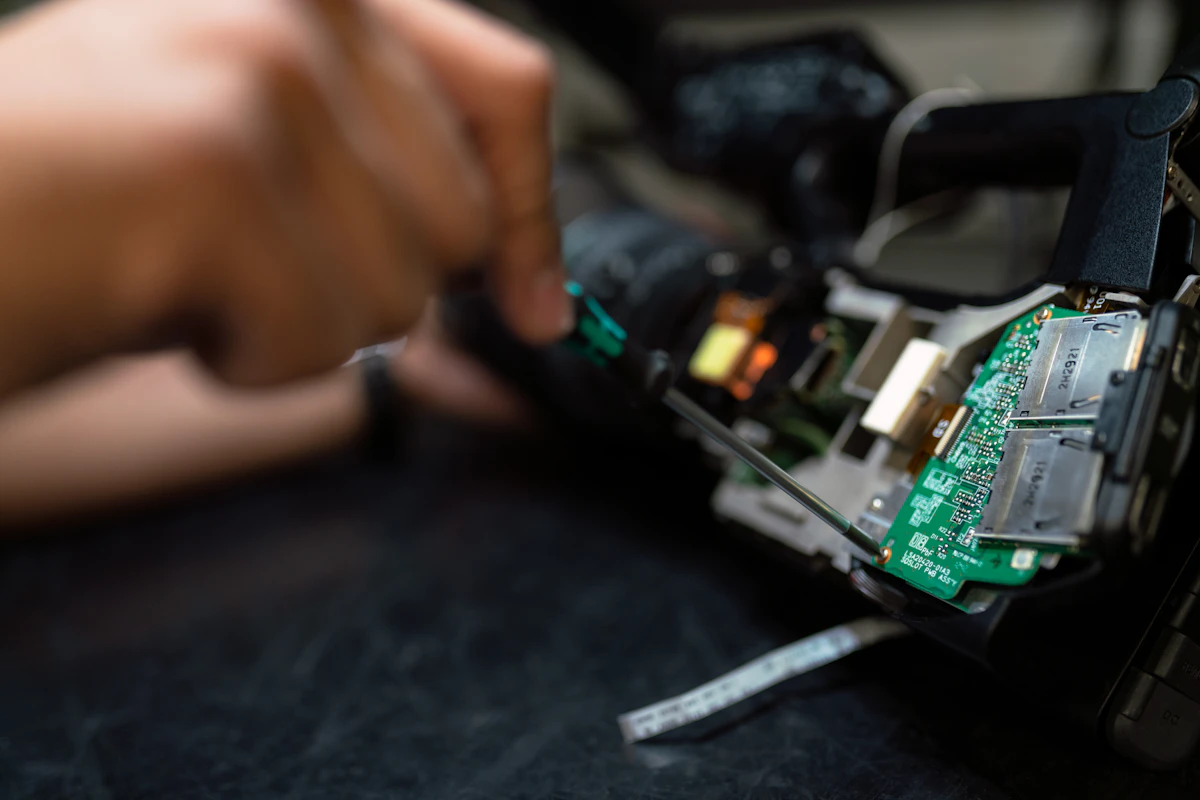
In appliance repair, the difference between a profitable week and a flat one is rarely the price you charge. It is how many jobs you finish on the first visit.
A second visit costs you the drive, the diary slot, the fuel and a slice of the customer's goodwill — and it earns you nothing extra. Most of the causes are avoidable with better information at the door.
Most return visits start on the phone
The person taking the booking is the first diagnostic step. If they capture the appliance type, make, model, the fault as the customer describes it and whether the machine is under warranty, the engineer arrives with a plan instead of a guess.
If nobody captures it, the engineer spends the first ten minutes on site doing what could have been done in thirty seconds on the call.
- Appliance type, make and model
- Serial or rating plate number where the customer can find it
- The fault in the customer's own words, plus any error code shown
- Age of the machine and whether it is under manufacturer or extended cover
- Access notes: parking, stairs, whether the machine is integrated
Model and serial belong on the record, not on a scrap of paper
Ordering the wrong part is almost always a data problem. When the engineer records the model and serial against the address, the part is ordered against the exact machine, and the next visit to that house starts with the full history already on screen.
Over a few years that history becomes genuinely valuable. You can see which machines you have already repaired, what was fitted, and whether a replacement is the honest recommendation.
Order the part while you are still standing in the kitchen
The old sequence was: diagnose, drive back, look up the part, order it, wait, ring the customer, rebook. Every step is a chance for a delay or a mistake.
Ordering from inside the job collapses that into one action. The part is attached to the job, the cost lands on the invoice automatically, and the return visit is booked before you leave the driveway. Where same-day delivery is available, some jobs can even be finished on the first visit.
Want to see what this looks like on your own jobs?
Keep warranty and chargeable work apart
Mixing manufacturer warranty jobs with chargeable ones is how appliance businesses lose money quietly. Tag the job at booking, and the paperwork follows the right route: a claim to the manufacturer, or an invoice to the customer.
It also protects the conversation on site. The engineer knows before knocking whether labour is covered and can say so plainly.
Give the customer the evidence
Photos of the fault, the part fitted and the finished job, plus a signature on the job sheet, close off almost every dispute before it starts. The customer gets a copy by email, and you keep one against the address.
Take payment before the van door closes
Domestic appliance work is small-ticket and high-volume, which means chasing payment is disproportionately expensive. Invoicing on site and taking a card payment or sending a payment link at the door is the single easiest cash-flow improvement in this trade.
Frequently asked questions
- How do I stop engineers ordering the wrong part?
- Capture the model and serial number on the job sheet, not on paper. When the part is ordered from inside the job, it is tied to the exact machine and the cost flows straight onto the invoice.
- Can appliance history be seen before the engineer arrives?
- Yes. Previous visits, fault notes, parts fitted and photos sit against the address and open in the mobile app on the way to the job.
- Does warranty work need a separate system?
- No. Tag the job as manufacturer warranty, extended cover or chargeable, and the same job sheet produces either a claim or a customer invoice.
- What about jobs where the machine is not worth repairing?
- Record the diagnosis and the recommendation on the job sheet, invoice the callout, and the customer has a written explanation to refer back to.