
Roofing jobs: quoting from the roof, invoicing from the van
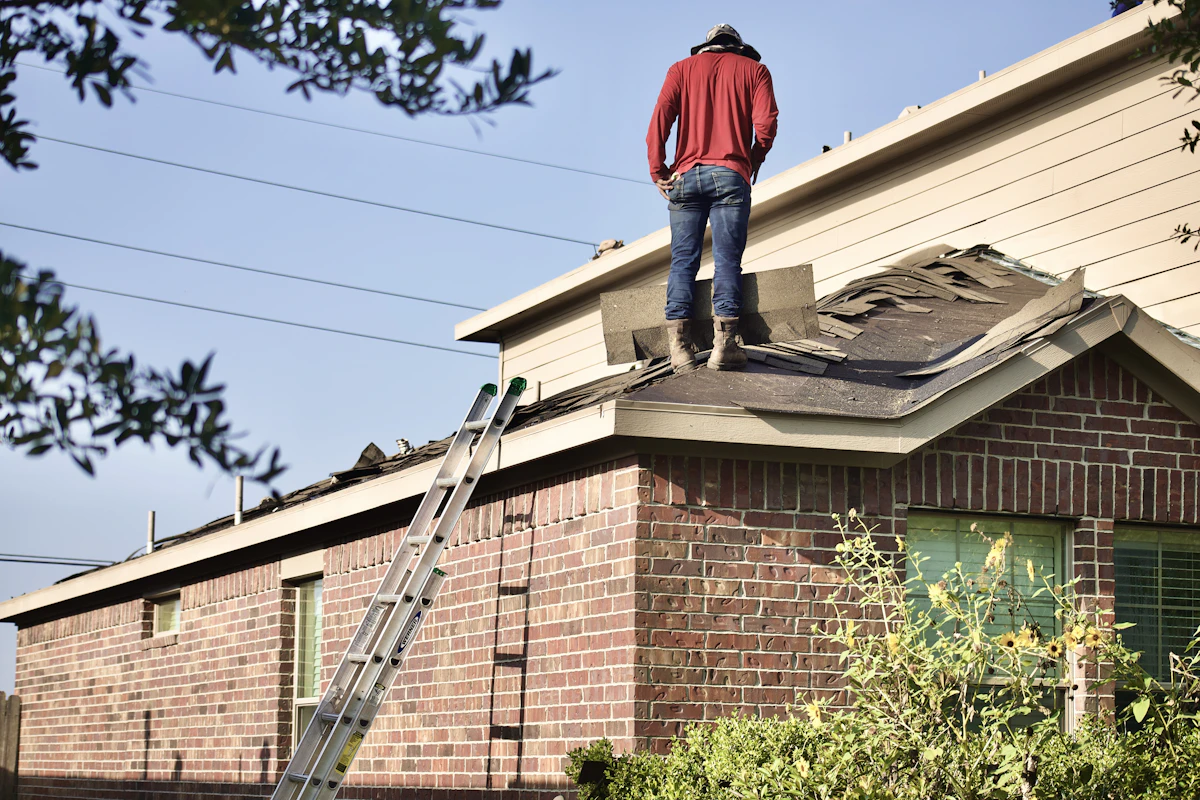
Roofing has a particular cash-flow shape: survey, quote, wait, scaffold, materials, several days of labour, then an invoice. A lot can go wrong in the gap between the quote and the payment.
Most of it comes down to three things — how fast the quote goes out, how well the job is evidenced, and whether you invoice in stages or all at the end.
Quote while the ladder is still up
Roofing quotes lose to whoever sends theirs first. If the survey notes go into a notebook and the quote gets typed up on a Sunday evening, you are three days behind a competitor who sent theirs from the driveway.
Building the quote on site — from a template, with the survey photos attached — turns a two-day turnaround into ten minutes.
Photographs do the selling
Nobody can see their own roof. A quote with photographs of the slipped tiles, the perished felt or the failed flashing explains the price without a single line of persuasion.
Those same photos protect you later, when the customer asks why the job was needed at all.
- Overview shots of each elevation
- Close-ups of every defect referenced in the quote
- Progress photos as each stage is completed
- Final photos of the finished work before the scaffold comes down
Give options rather than one number
Repair now, repair plus gutters, or full re-roof — presenting the choices on one document lets the customer buy up rather than shop around. Each option carries its own materials and labour so the accepted version becomes the job automatically.
Want to see what this looks like on your own jobs?
Multi-day jobs need a plan, not a diary entry
A re-roof is a sequence: scaffold up, strip, felt and batten, tile, leadwork, clear site, scaffold down. Scheduling it as one blob in the diary hides the dependencies and makes every weather delay a phone-call marathon.
Break it into scheduled stages with the crew assigned to each, and a lost day moves the stages that follow rather than the whole business.
Track materials against the job, not the month
Tiles, lead, membrane, batten, scaffold hire and skips need to sit against the job they were bought for. Otherwise the job looks profitable and the month does not, and you never find out which quotes were underpriced.
Invoice in stages
Waiting until the last tile is laid means funding materials, scaffold and wages out of your own pocket for weeks. A deposit on acceptance, a stage payment when the scaffold and strip are done, and the balance on completion keeps the job funding itself.
Send each stage invoice with a payment link attached, and record what has been paid against the job so nobody has to reconcile it later.
Frequently asked questions
- Can we build a roofing quote on site?
- Yes. Quotes can be produced from templates on a phone or tablet, with survey photographs attached, and emailed to the customer before you leave.
- How do we handle jobs that run over several days?
- Schedule the job as stages with a crew assigned to each. If weather moves one stage, the later stages move with it and the customer is notified.
- Can we take deposits and stage payments?
- Yes. Invoices can be raised at any point in the job with a payment link, and the balance is tracked against the job record.
- Where do materials and scaffold hire costs go?
- They are recorded against the job, so you can see the real margin on each roof rather than just the monthly total.